Why Is My Water Bill So High? How To Find A Hidden Leak
A jump in your water bill with no change in habits usually means water is escaping. Two quick tests can confirm it.
- Sourced guidance
- High Point area
- Updated October 2026
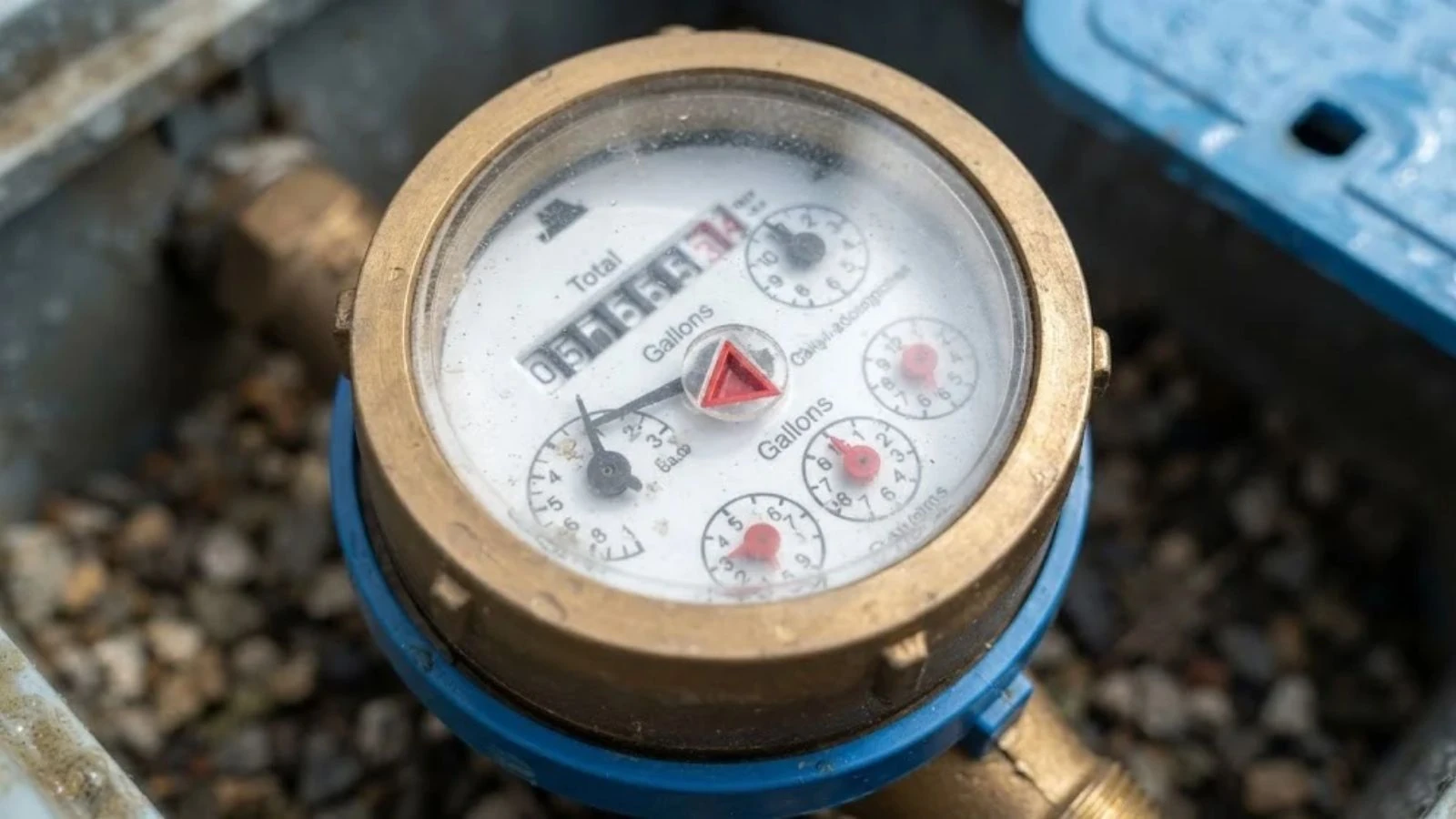
Run The Meter Test Before Anything Else
The fastest way to tell whether a leak exists is to read the water meter with everything off. Turn off every fixture and appliance that uses water, including the ice maker and irrigation timer. Then look at the meter's leak indicator, a small dial or triangle that spins when water moves.
If it spins, or the digits change over 30 minutes, water is leaking somewhere between the meter and your fixtures. If it stays still, the high bill probably comes from use, a billing issue or a leak that only happens when a fixture runs, such as a toilet or irrigation valve.
What Counts As High Water Use
According to the EPA's WaterSense program, these are the benchmarks that matter.
| Measure | Figure | What it suggests |
|---|---|---|
| Winter use for a family of four | More than 12,000 gallons a month | Likely leak |
| Average household leaks | More than 10,000 gallons a year | Common, often fixable |
| Worst 10 percent of homes | 90 gallons or more a day wasted | Serious leak |
| Faucet dripping once per second | More than 3,000 gallons a year | Cheap to fix |
| Shower leaking 10 drips per minute | More than 500 gallons a year | Cheap to fix |
What To Do To Test For Leaks Yourself
You can rule out the most common sources in about half an hour.
- 1
Add a few drops of food coloring to each toilet tank and wait 10 minutes without flushing. Color in the bowl means a leaking flapper.
- 2
Check under every sink for dampness at the supply lines and traps.
- 3
Look at the water heater's base and relief valve discharge pipe for moisture.
- 4
Walk the yard after a dry spell and look for soggy or unusually green patches along the line to the house.
- 5
Run the meter test again after fixing anything, to see if the movement stopped.
Meter Still Moving?
Call and describe what the meter does. A plumber can narrow the search by phone.
Hidden Leaks In High Point Houses
Many south-side ranches built from the 1940s through the 1980s have supply pipes in or under the concrete slab. A leak there may show only as a warm patch on the floor, a hiss in a quiet house or a bill that creeps up. Mill houses and older homes often have crawlspaces where drips run unseen for years.
Older Uptown Suburbs houses may have galvanized supply lines that pinhole at the joints. Houses built between roughly 1978 and 1995 might have polybutylene tubing. Each can leak inside walls, and each is a job for professional leak detection before anyone cuts drywall.
The Line Between The Meter And The House
If the meter moves with the main shutoff at the house closed, the leak is outside, in the buried service line. Customers generally own that pipe, so a leak is their repair. Confirm the boundary with City of High Point Public Services if you are unsure.
Slab leaks are a separate repair, covered under slab leak service. For a leaking toilet, toilet repair usually fixes it with a flapper or fill valve.
What To Do After You Find A Leak
- 1
Stop the water
Close the nearest shutoff or the main valve.
- 2
Document it
Photograph the leak, the meter and the bill.
- 3
Call a plumber
Describe the location and how fast it moves.
- 4
Ask the utility
Ask whether a bill adjustment program applies after the repair.
Help Around The Area
Leak detection is offered in High Point and in nearby Jamestown, where mill-era houses are common. If the meter test shows a leak, a leak detection visit finds the source before any wall or floor is opened.
Reading The Bill Before You Hunt For A Leak
Start with the bill itself. Check the length of the billing period, whether the reading was actual or estimated, and how this month compares with the same month last year. An estimated reading can be corrected by the next real one, and a longer billing period naturally shows more use.
Sewer charges are often based on water use, so a leak in the water supply can raise both lines. If a reading looks wrong, ask the utility to reread the meter. Keep the bills, since a repaired leak sometimes qualifies for an adjustment.
Everyday Causes Of A Higher Bill
Not every jump is a leak. Lawn irrigation, filling a pool, houseguests, a new baby, a humidifier and a stretch of hot weather all raise use. A new appliance or a changed laundry routine can add more than people expect. These show on the meter only when the fixtures run.
The meter test separates the two. If the dial is still with everything off, the cause is use. If it moves, a leak exists, and a running toilet is the most common hidden source.
Cheap Fixes For The Most Common Leaks
Most household leaks are small parts. A toilet flapper, a fill valve, a faucet cartridge, a worn supply line and a leaking showerhead are inexpensive to replace, and fixing them can lower the bill. The EPA estimates that fixing easily corrected leaks can save about ten percent on a water bill.
If you replace a part and the meter still moves, the leak is elsewhere. That is the point to call a plumber, since in-wall, under-slab and buried leaks need tools you do not have.
What To Do With The Results
If the meter test is clean and the toilets pass the dye test, your bill probably reflects use. Look at habits, irrigation and guests. If the meter moves, write down what you found and call a plumber before the leak gets worse.
Keep a simple log of meter readings, bills and repairs. It helps the plumber, supports any adjustment request and shows you quickly if the problem returns.
High Water Bill Questions
Hidden leaks in walls, slabs or buried lines do not show on the surface. The meter test shows whether water is escaping even with everything off.
Turn off all water use, find the meter's leak indicator and watch it. If it moves, or the digits change after 30 minutes, you have a leak.
Yes. A flapper that leaks slowly can waste thousands of gallons a year with little sound. The dye test finds it.
Customers generally own the pipe on their side of the meter. Confirm the boundary with the utility.
Policies vary. Ask the city's utility billing office whether an adjustment program applies once the leak is repaired.
Bill climbing? Call for leak detection.
Call (336) 453-0472Think You Have A Leak?
Call for leak detection in High Point, Jamestown, Archdale, Trinity, Thomasville, Randleman or Greensboro.
Call (336) 453-0472