Water Heater Installation & Replacement in High Point, NC
Replace a failing tank or move to tankless or heat pump, with the unit sized for your household and the price quoted before the old heater comes out.
- Tank, tankless and heat pump
- Gas and electric
- Free estimates
- Price quoted first
When Replacement Makes More Sense Than Repair
A water heater that leaks from the tank body cannot be patched. Once the steel liner corrodes through, the unit is finished, and every day it stays connected risks a flooded closet or garage. Leaks at a fitting, the relief valve or a drain valve are different, and those often come down to a part.
Age is the other deciding factor. The U.S. Department of Energy puts typical tank water heater life at 10 to 15 years and tankless units at 20 years or more. A 13-year-old tank with a failed thermostat is rarely worth the repair bill, while a 5-year-old unit with a bad element is. The page on emergency water heater repair covers the problems that are worth fixing.
Signs Your Water Heater Is Ready For Replacement
Water around the base
Moisture under the tank usually means the shell is leaking, not a loose fitting.
Rust-colored hot water
If only the hot taps run brown, the inside of the tank is corroding.
Rumbling or popping
Sediment on the tank floor traps steam bubbles that burst as the burner or element heats.
Past 12 years old
Check the serial number sticker. Many manufacturers encode the build date in it.
Repeat failures
A second heating element, thermostat or igniter in a few years points to a tired unit.
Not enough hot water
A household that has grown may simply have outgrown a 30 or 40 gallon tank.
No Hot Water Right Now?
Call and describe the heater. The plumber will tell you what to check before anyone arrives.
Tank, Tankless Or Heat Pump
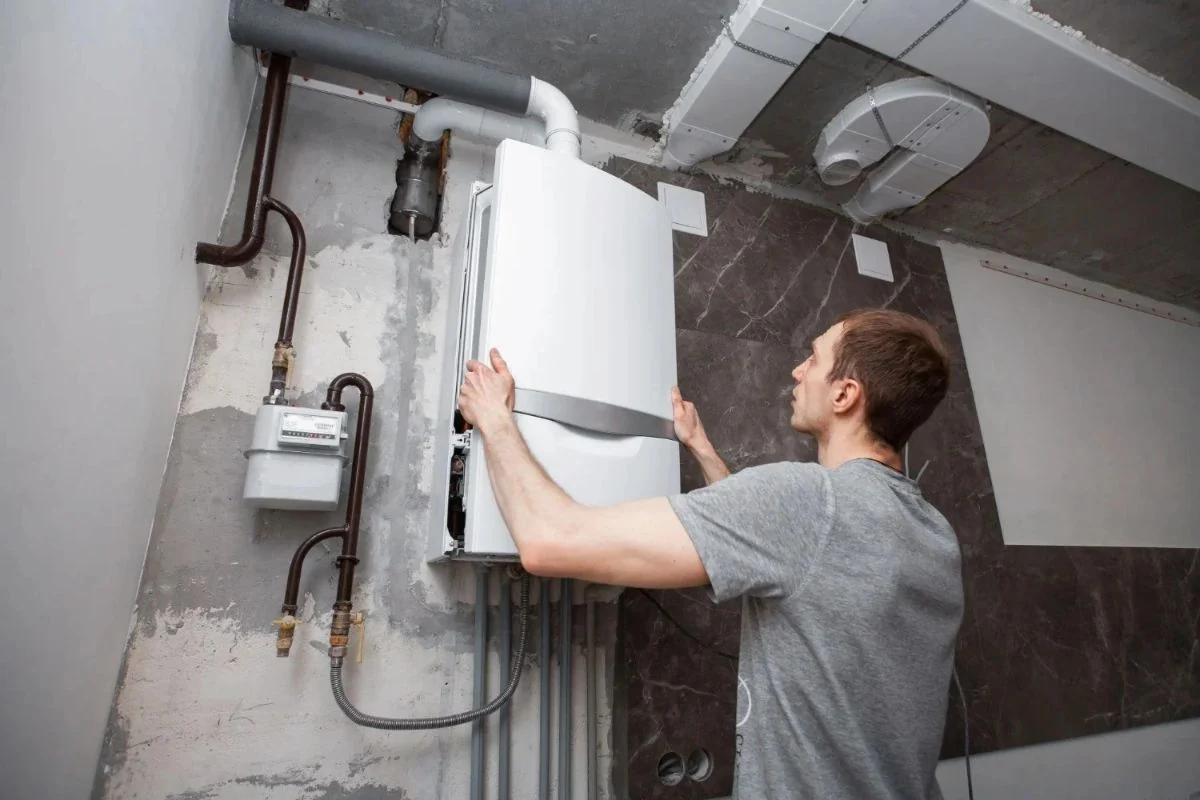
All three work in High Point homes. The right pick depends on where the heater sits, what fuel the house has and how much hot water the household uses at once.
| Option | Typical life | Space and install needs | Best fit |
|---|---|---|---|
| Gas tank | 10 to 15 years | Needs a vent and a gas line. Fits most existing closets and garages. | Homes already piped for gas that want the simplest swap |
| Electric tank | 10 to 15 years | Needs a dedicated 240-volt circuit and a drain pan with a drain line. | All-electric homes and condos |
| Tankless gas | 20 years or more | Needs a larger gas line, special venting and a wall for mounting. | Households that run several fixtures at once |
| Heat pump (hybrid) | 10 to 15 years | Needs roughly 700 to 1,000 cubic feet of air space and a condensate drain. | Garages and basements where cool exhaust air does no harm |
Typical life figures follow U.S. Department of Energy guidance. Individual units vary with maintenance and installation quality.
What High Point's Soft Water Means For A New Heater
The city's annual water quality reports, published from 2016 through 2019, listed hardness at roughly 30 to 60 mg/L, which is soft. Scale builds slowly in that kind of water, so a tank here is more likely to fail from age and a spent anode rod than from a crust of limescale.
A new tank still collects fine sediment, so most manufacturers recommend flushing it about once a year. An anode rod check around year five is cheap and can add years to the tank. Because the water is already soft, adding a salt-based softener for the sake of the heater is rarely worth it.
Sizing, Venting And What The Code Requires
Sizing starts with the first-hour rating, the number of gallons a tank can deliver in its first hour of heavy use. A household of four with two bathrooms often lands on a 50 gallon tank, but a long run of morning showers can justify more. A plumber should ask about your peak hour before recommending a size.
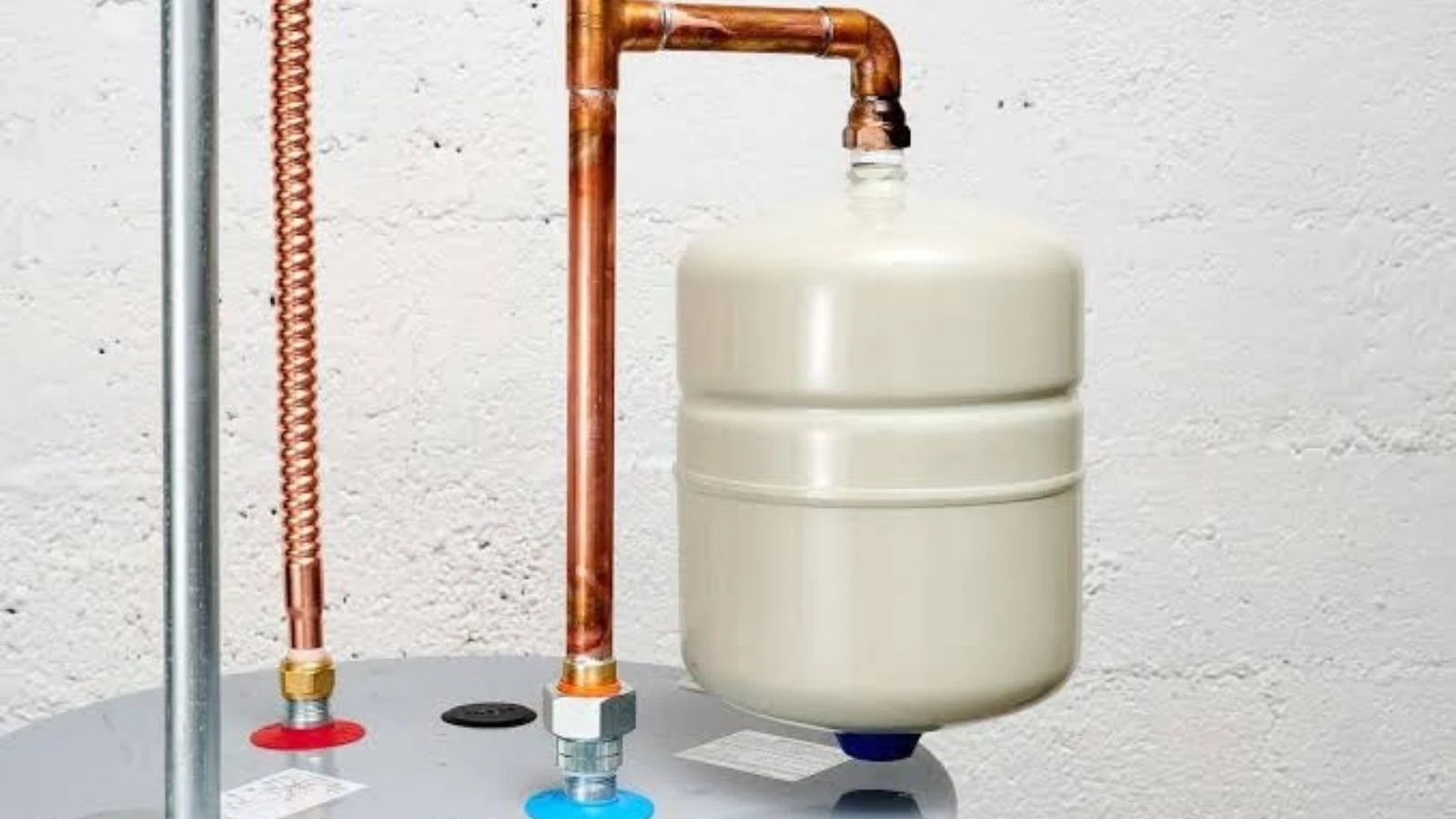
Gas units need correct venting and combustion air, and every installation needs a temperature and pressure relief valve piped to a safe discharge point. A closed water system, which is common once a pressure reducing valve or backflow preventer is installed, also needs a thermal expansion tank under the plumbing code.
Federal efficiency rules in place since April 2015 mean most electric tanks above 55 gallons are now heat pump models. An old 80 gallon electric unit cannot always be swapped like for like. Work in North Carolina follows the NC Plumbing Code, and the installer should confirm permit requirements with the local inspections office before starting.
How A Replacement Visit Goes
- 1
Inspect and size
The plumber checks the old unit, venting, gas or electric supply and the space.
- 2
Quote
You hear the price for the chosen unit before anything is disconnected.
- 3
Swap
Water is shut off and drained, the old tank comes out, and the new unit is connected with fresh supply lines and a relief valve line.
- 4
Test
Connections are checked for leaks, temperature is set, and gas units get a combustion and venting check.
Where High Point Heaters Live, And Why It Matters
In a 1940s to 1980s south-side ranch the heater often sits in a garage or a small utility closet. In a mill house near Highland Cotton Mills it may be wedged into a crawlspace or a tight back room. Access changes the labor, and a 50 gallon tank does not always fit through a narrow door or hatch.
Older Uptown Suburbs houses, built between 1903 and 1963, sometimes have heaters added decades after the house was built, with supply lines of several different metals meeting at the tank. Mixed metals corrode at the joints, so a good installer replaces the connectors rather than reusing them. If the supply lines themselves look tired, whole-home repiping is worth pricing at the same visit.
What Affects The Price Of A New Water Heater
Free estimates on replacement work
The plumber inspects first and quotes the full job, including parts, before work begins. Call for your real number.
Homeowners insurance usually pays for water damage from a sudden tank failure but not for the heater itself. Ask your insurer before you file.
Other Jobs That Often Go Along With A Replacement
Homeowners weighing a switch to an on-demand unit should read about tankless heater service first, because the gas line and vent often need upgrades. If the old tank has already flooded a floor, water damage cleanup and drying deals with the wet structure. Dispatch also covers Jamestown, just east of the city.
Water Heater Replacement Questions In High Point
Many standard tank swaps are finished in a few hours once the unit is on site. Tankless conversions, new venting or relocated heaters take longer, and the plumber will tell you the expected time when quoting.
Not necessarily, but plan for it. A tank in that range has used most of its expected life, so decide on a replacement on your schedule instead of during a leak. Flushing the tank and checking the anode rod can buy time.
Water heater work falls under the NC Plumbing Code, and permit rules depend on the scope of the job. Ask the installer to confirm requirements with the local inspections office before work starts.
Yes, if the home has enough electrical capacity and a spare 240-volt circuit. The plumber and an electrician may both be involved, and the quote should show that work.
It can be, especially in a garage or basement with enough air space. It uses far less electricity than a standard electric tank but cools the room it sits in and needs a condensate drain.
Yes. Estimates for replacement and installation work are free, and the price is quoted before the old unit is disconnected.
Yes. Landlords and property managers can call on behalf of a tenant. Say who will give access, whether the unit is occupied and who approves the price. Keep the quote and any inspection record in the unit file.
Heater leaking or cold showers? Call now.
Call (336) 453-0472Cold Showers Tonight?
Call about water heater replacement anywhere in High Point, Jamestown, Archdale, Trinity, Thomasville, Randleman or Greensboro.
Call (336) 453-0472