Hydro Jetting in High Point, NC
High-pressure water scours grease, scale and root hair from the full pipe wall, a better answer than a cable when a drain keeps clogging again.
- Full-wall pipe cleaning
- Camera before and after
- Grease and root removal
- Free estimates
How Hydro Jetting Cleans A Pipe
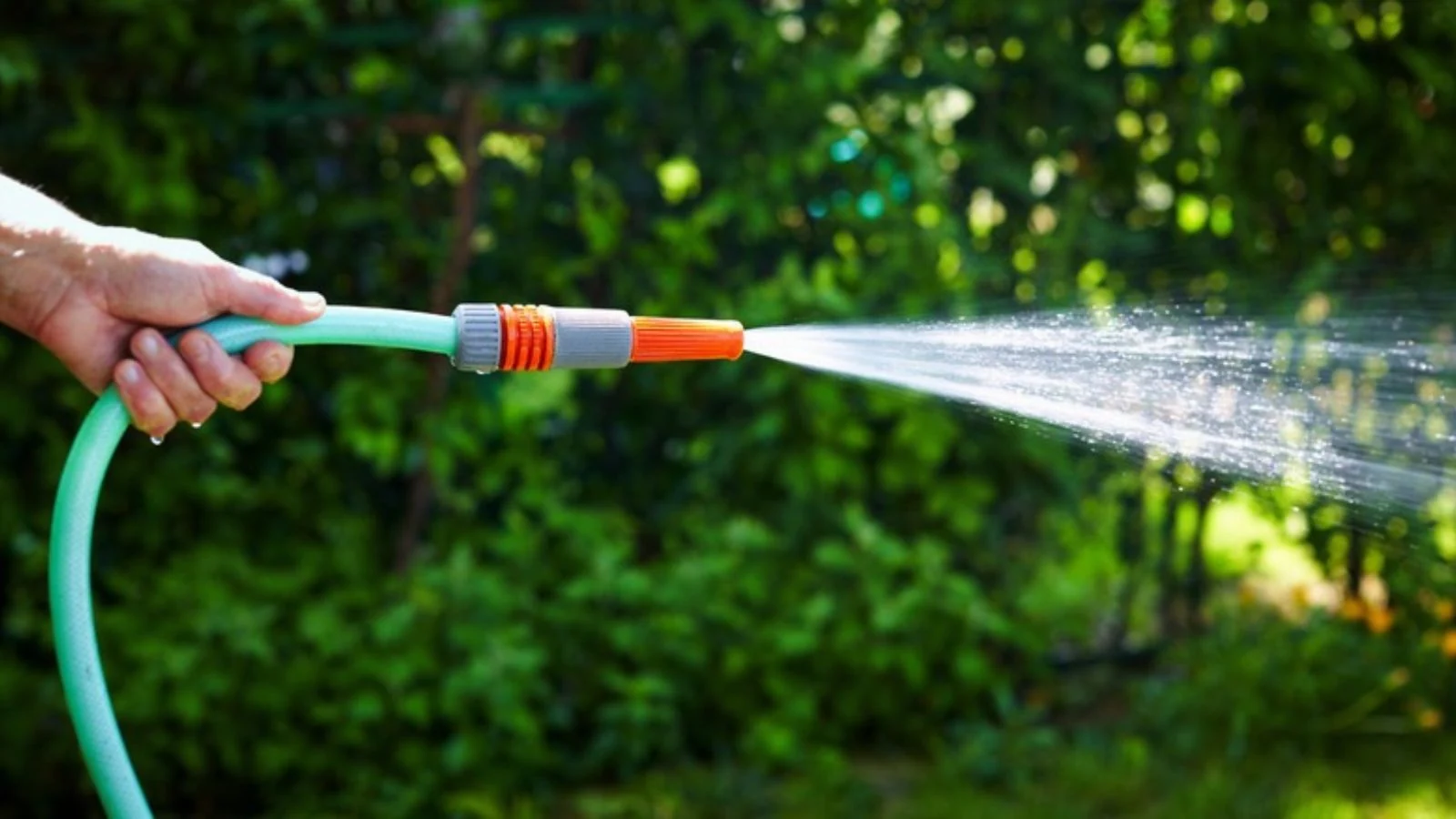
A hydro jetter pushes water through a hose and a nozzle at pressures commonly in the thousands of pounds per square inch. Nozzles fire jets backward to pull the hose along the pipe and forward to break up blockages. The water scours the whole circumference of the pipe, not only a hole through the middle of a clog.
That difference matters. A cable can open a line quickly, but it leaves grease, scale and root hair clinging to the walls. The next clog forms where the last one was left. Jetting removes the coating, which is why it is often the answer for lines that clog every few months.
Problems Hydro Jetting Solves
Grease buildup
Kitchen lines slowly narrow as fat cools and coats the pipe wall.
Root hair
Fine roots in clay or cast-iron joints catch paper and grow back.
Mineral and rust scale
Cast-iron lines develop a rough crust that snags debris.
Sludge and soap film
Washing machine and shower lines coat over time.
Recurring main line clogs
Cabling clears it, then it returns.
Slow commercial drains
Restaurant and kitchen lines see heavy grease loads.
Cabled Before And It Came Back?
Call about jetting. A camera check shows whether the pipe can handle it.
Jetting Nozzles And What They Do
A single jetter can run several nozzle types. The plumber chooses one based on the blockage.
| Blockage | Typical approach | What to expect |
|---|---|---|
| Grease and soap film | Spinning nozzle with several rear jets | Pipe wall cleaned along the full run |
| Fine roots | Root-cutting nozzle with a rotating blade jet | Roots cut back, though they regrow without pipe repair |
| Packed debris or a hard plug | Forward-facing penetrating nozzle | Opens the plug, then flush with a cleaning nozzle |
| Heavy scale in cast iron | Chain-style or scale nozzle with pressure control | Scale removed, and hidden leaks may appear |
When Not To Jet
Jetting is not for every pipe. A collapsed line, a badly offset joint or fragile old materials can be damaged by high pressure. That is why a camera runs first. The video shows whether the pipe is sound enough, and whether jetting will help or only move the problem.
Scale can also hide cracks. In old cast iron, removing the crust sometimes reveals leaks the scale was sealing. The plumber should say so before the job. If the camera shows a broken pipe, professional sewer line repair is the real fix and jetting just prepares the line.
What To Do Before Jetting Day
A little preparation makes the visit faster and keeps your property clean.
- 1
Find the cleanout, a capped pipe in the yard, crawlspace or basement. The International Plumbing Code (IPC), which the NC code follows, expects accessible cleanouts in drainage systems.
- 2
Clear a path and move vehicles, planters and stored items away from the work area.
- 3
Tell the plumber about past clogs, earlier repairs and any known root problems.
- 4
Do not run water during the visit unless asked to, since the line may be open.
- 5
Keep children and pets away from hoses and the work area, because jet hoses are under high pressure.
What Happens During A Jetting Visit
- 1
Camera first
A camera maps the line and finds blockages, damage and the cleanout.
- 2
Quote
You hear the plan and price before the jetter is set up.
- 3
Jet
Water scours the pipe from the cleanout toward the main, with debris flushed out.
- 4
Camera after
A second pass confirms the walls are clean and shows any damage revealed.
Where Jetting Pays Off In The High Point Area
Older neighborhoods in the Uptown Suburbs district still carry cast-iron stacks and clay laterals, and mature trees line streets such as those in Emerywood. Those conditions produce the exact mix of scale and root hair that jetting handles well. Mill houses near Highland Cotton Mills often have small branch lines coated with decades of film.
A typical home sewer lateral is four inches across. The plumbing code expects drain pipe that size to slope at least one-eighth of an inch per foot, so waste keeps moving. A sag in the line holds water, and grease and roots settle there first.
Commercial kitchens, such as downtown restaurants that fill up when Market visitors are in town, generate more grease than a residential line is built for. They usually need scheduled jetting alongside a working grease trap. If you run a business, ask about commercial plumbing service service as well.
Jetting Versus Chemical Drain Openers
Chemical openers
- Can sit in a standing line and soften old joints
- Leave a hazard for the plumber
- Rarely clear grease or roots
- Do nothing for scale
Hydro jetting
- Uses only water at controlled pressure
- Scours the full pipe wall
- Works on grease, scale and root hair
- Paired with a camera for proof
What Affects The Cost Of Hydro Jetting
Free estimates for jetting
The camera findings set the plan, and the price is quoted before the jetter starts. Call for your real number.
Homeowners insurance generally does not cover routine drain maintenance.
Jetting In Context
For a one-time blockage, plain emergency drain cleaning is often enough. Jetting is offered across High Point and in west Greensboro.
Keeping A Jetted Line Clear
A line that has just been jetted starts fresh, but habits decide how long it stays that way. Grease poured down a kitchen drain rebuilds a coating, and wipes sold as flushable do not break down like toilet paper. A camera view after jetting shows whether the pipe is smooth or still scarred.
Roots are the usual reason a line fills again. Jetting cuts them back but does not kill the tree that feeds them. A line with repeat root growth is often put on a camera and jetting schedule matched to how fast the roots return, and drain cleaning covers the lighter jobs in between.
Hydro Jetting Questions
It is a drain cleaning method that uses a high-pressure stream of water to scour the inside of a pipe. It removes grease, scale and root hair from the pipe walls instead of boring a hole through a clog.
On sound pipe, yes, when pressure is controlled. A camera inspection first shows whether the pipe is cracked, offset or collapsed, which can rule jetting out.
Residential lines with recurring clogs often benefit from jetting every year or two. Restaurants usually need it more often, based on how fast grease builds.
No. Jetting cuts and removes roots in the pipe but does not stop them from returning if the pipe has open joints or cracks. Repair is the lasting fix.
Usually yes, because the equipment and time are greater. It can cost less over time if it stops repeat visits.
A typical residential line often takes under two hours once the camera has found the problem, though a long or heavily blocked run takes more.
Jetting is safe on sound pipe when the pressure and nozzle match the line. Pipe that is cracked, collapsed or badly corroded can be damaged, which is why a camera check comes first.
Yes. It is one of the better answers to grease, because the water scours the pipe wall instead of punching a hole through the blockage. A camera check afterward shows how clean the wall is.
Someone needs to give access to the cleanout and approve the scope. Many owners stay to watch the camera footage.
Drain keeps clogging? Call now.
Call (336) 453-0472Drain Keeps Clogging Again?
Call about hydro jetting in High Point, Jamestown, Archdale, Trinity, Thomasville, Randleman and Greensboro.
Call (336) 453-0472