Emergency Sewer Line Repair in High Point, NC
Camera inspection, root removal and spot repair or lining for cracked, collapsed and root-filled sewer lines, with a plain explanation of your options.
- 24/7 emergency response
- Camera inspection
- Spot repair and lining
- Price quoted first
What The Sewer Line Is And Who Owns It
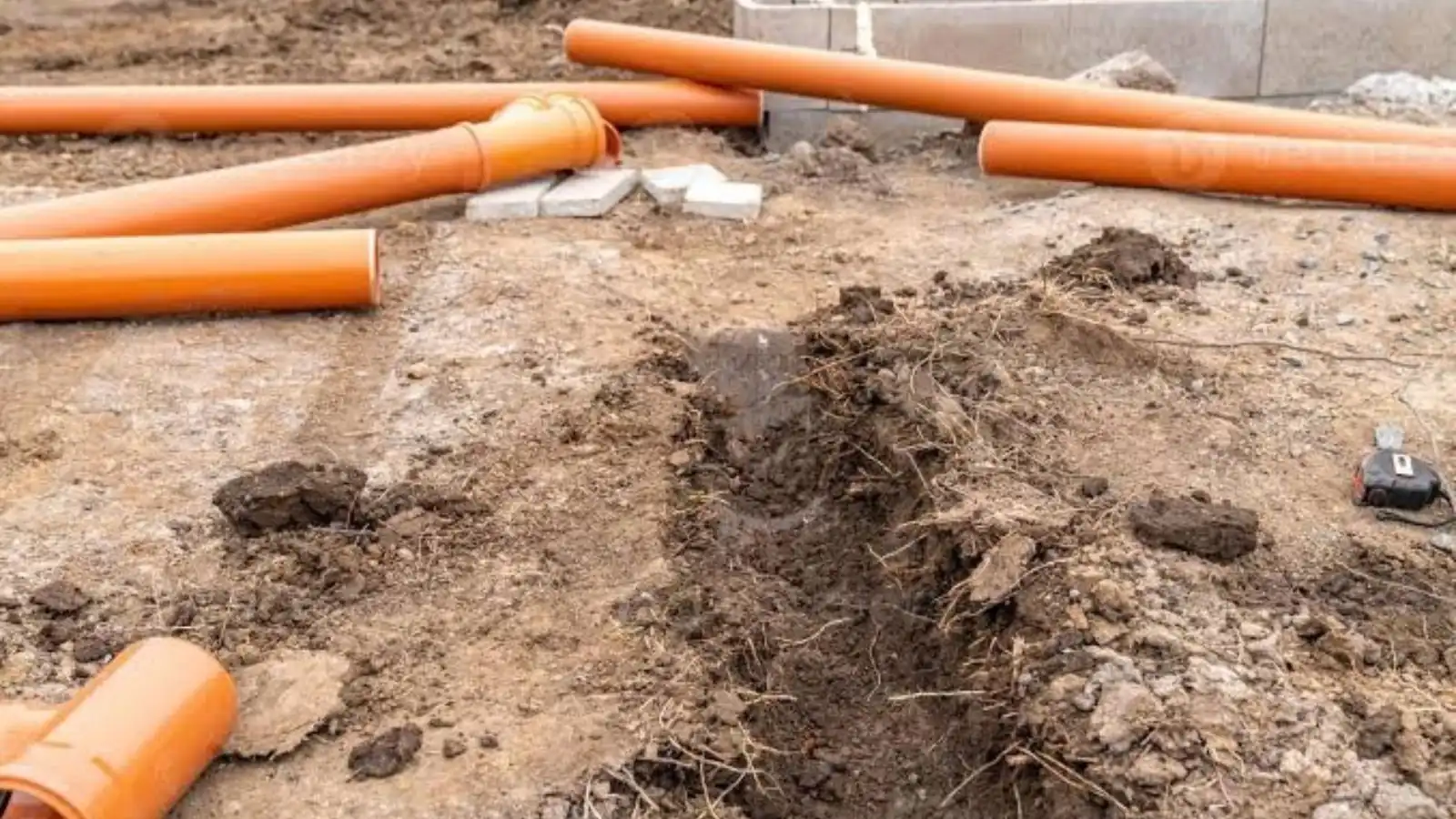
The sewer line, or lateral, is the pipe that carries wastewater from your house to the municipal sewer main under the street, or to a septic tank. Property owners are generally responsible for the private lateral on their side of the connection, while the city handles the main. Confirm the boundary with the City of High Point Public Services before assuming a repair is yours or theirs.
If your house uses a septic tank instead, the line from the house to the tank is still yours, and a clog in a septic home can have a different cause. In that case, septic tank pump-out is part of the diagnosis.
Signs Of A Damaged Sewer Line
Several drains back up together
A blockage in the main affects the lowest fixtures first.
Gurgling toilets
Air pushed back through the traps by a restriction.
Sewage smell outside
Wet, foul-smelling ground near the line.
Soggy or sunken lawn
A crack or collapse can saturate or sink the soil.
Repeat clogs
Clearing works for a few weeks, then the problem returns.
Rodents or insects
Broken lines can give pests a path to the house.
Sewage Coming Up Into The House?
Call the 24/7 line. A plumber can tell you what to do while someone is on the way.
Why A Camera Inspection Comes Before Any Repair
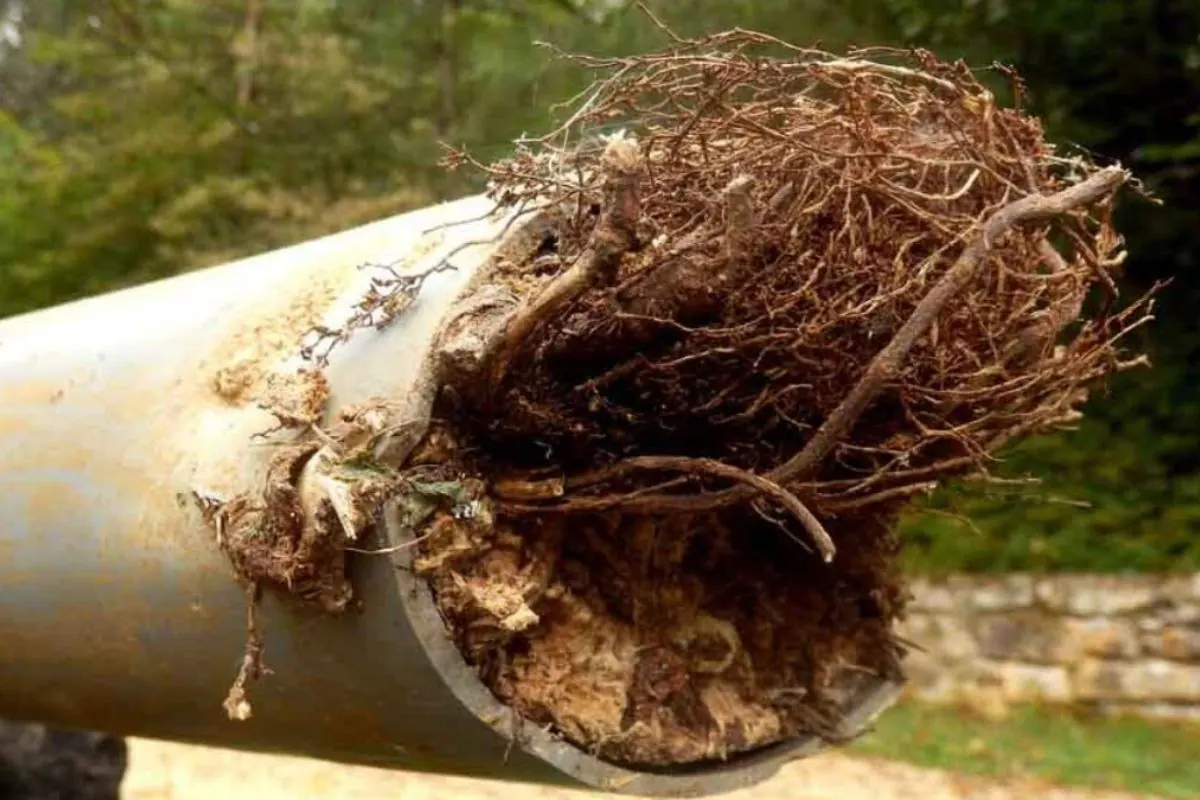
A waterproof camera on a flexible cable shows what the pipe actually looks like: roots, a cracked joint, an offset, a belly where the pipe has sagged, or a collapse. It also measures how far from the cleanout the problem sits, so a spot repair can be targeted instead of guessed at.
Camera reports are often graded with the NASSCO Pipeline Assessment Certification Program defect codes, and it is fair to ask whether yours are. The footage is your record, so ask to see it. If one plumber says the line needs replacement and the video shows a single cracked joint, a repair may be all you need.
Sewer Line Repair Methods Compared
The right method depends on what the camera shows and how much of the line has failed.
| Method | When it fits | Trade-offs |
|---|---|---|
| Spot repair (dig and replace) | One cracked or offset section within reach | Digging is required, and landscaping, driveways and slabs may be affected |
| Pipe lining | A cracked or root-prone pipe that is still round and mostly aligned | Less digging, but it will not fix a collapsed or badly offset pipe |
| Pipe bursting | A line that needs full replacement with limited trenching | Needs entry and exit pits and enough straight run |
| Full replacement | Widespread damage, collapse or incompatible old materials | Highest cost, longest disruption, longest lasting. See sewer line replacement. |
What Is Under Older High Point Streets
Clay tile laterals with short sections and many joints are common under houses built before the 1960s, and each joint invites root growth. Mature trees along the tree-lined streets of Emerywood and Johnson Place seek moisture and find it at those joints. Some mid-century homes were built with bituminized fiber pipe, sometimes called Orangeburg, which softens and deforms with age.
Ranches built from the 1940s through the 1980s often have cast iron under the slab, which rusts and scales from the inside. Mill houses near Highland Cotton Mills may have lines that were patched many times. Each material fails differently, so the repair has to match. Where drains simply clog and recur, professional hydro jetting may be enough.
What To Do If Sewage Backs Up
Raw sewage carries bacteria and should be handled carefully.
- 1
Stop using water everywhere in the house, including toilets, sinks, tubs and the washer.
- 2
Keep children and pets away from the affected area and open nearby windows if the smell is strong.
- 3
Do not use chemical drain openers, which can splash and harm the plumber.
- 4
Photograph the damage before cleanup for insurance.
- 5
Wear gloves and boots if you must enter the area, and wash thoroughly afterward.
- 6
Call the 24/7 line and describe which fixtures are affected.
How A Sewer Line Repair Call Goes
- 1
Clear and inspect
The plumber opens the line and runs a camera to find the cause.
- 2
Quote
You hear the findings and the price for each repair method that fits.
- 3
Repair
The chosen method is carried out, and the line is cleared.
- 4
Verify
A follow-up camera run or a flow test confirms the repair holds.
Before Anyone Digs
North Carolina law calls for contacting NC811 before excavation so buried utilities can be marked. The plumber normally handles that call, but confirm it is scheduled. Sewer excavation can also trigger permit and inspection requirements, which vary by jurisdiction, so ask the plumber to confirm them with the local inspections office.
What Affects Sewer Line Repair Cost
Quoted before work begins
The camera findings drive the price, and you approve it before the work starts. Call for your real number.
Standard homeowners policies often exclude sewer line wear and root damage. A sewer backup endorsement may apply to damage inside the home.
Other Services Tied To Sewer Problems
If the camera shows widespread damage, sewer line replacement may be the better investment. For routine blockages, see professional drain cleaning. The service area also covers Archdale, where heavy clay soil can shift and stress buried lines.
Keep The Camera Footage And Ask For A Written Scope
Ask for the recording and for each defect marked by its distance from the cleanout. The file helps with insurance questions, permit applications and second opinions, and it shows a later plumber exactly where work was done.
After the repair the plumber should run water through the line, often with a second camera pass, to confirm the slope and the joints. Homeowner policies often exclude sewer damage from wear or roots, and some offer optional line coverage, so read the policy before repairs begin.
Sewer Line Repair Questions
Several fixtures backing up together, gurgling toilets, wet or sunken ground and repeat clogs are the usual signs. A camera inspection shows the actual damage.
Lining is a good fit when the pipe is cracked or root-prone but still round and aligned. It is not suitable for a collapsed or badly offset pipe, where digging or bursting is needed.
You are generally responsible for the private lateral on your property, and the city handles the main. Confirm the boundary with the city's Public Services department.
Roots enter through small cracks and joints and then grow, widening the opening. In clay pipe with many joints, roots are a common cause of repeat blockages.
Digging calls for an NC811 locate, and some repairs need permits and inspections. The plumber should confirm requirements for your address.
As the owner you are generally responsible for the private lateral on the property side. A camera inspection shows where the damage sits, and the footage is useful for insurance and for any shared-line discussion with neighbors or the utility.
A spot repair often takes a day. Longer runs, deep lines and work under a driveway can take more than one day, and the estimate states the expected time.
Sewer work generally needs a plumbing permit and inspection from the local authority. The plumber confirms the rules for your address, which differ between High Point, Jamestown and the surrounding counties.
Sewer problem? Call the 24/7 line now.
Call (336) 453-0472Sewage Backing Up?
Call for emergency sewer line repair in High Point, Jamestown, Archdale, Trinity, Thomasville, Randleman and Greensboro.
Call (336) 453-0472